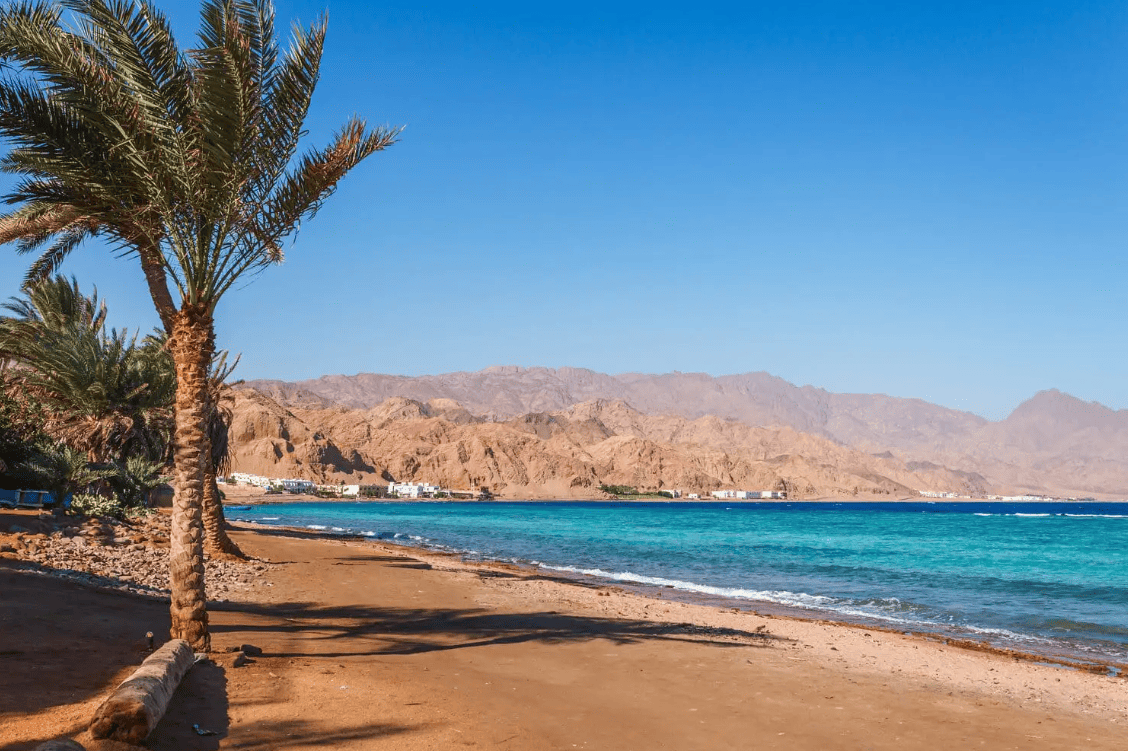
If you’re tired of the mega-resorts and the aggressive “buy this” energy of Hurghada or Sharm El Sheikh, Dahab city is going to feel like a breath of fresh air. It’s a place where the clocks seem to run slower, and the “Bedouin-chic” vibe is actually real, not just a marketing slogan. Whether you’re here to face your fears at the Blue Hole Dahab, drift in the turquoise silence of the Blue Lagoon, or just sit in a colorful seaside café with a stray cat on your lap, Dahab gets under your skin.
Why Dahab city is one of Egypt’s most relaxed seaside destinations
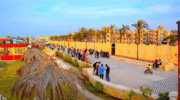
The city wasn’t built for mass tourism; it grew out of a Bedouin fishing village, and that DNA is still there. Unlike the walled-off luxury hotels elsewhere, Dahab feels like a community. The “Lighthouse” area is the heart of it all. It`s a promenade lined with restaurants where you sit on floor cushions right at the water’s edge.
There are no massive malls. Instead, you have the “Friday Market” where locals sell homemade vegan brownies and handmade jewelry. It’s the kind of place where you’ll see a professional diver, a digital nomad, and a local Bedouin sharing tea and talking about the wind.
Top Places to Visit in Dahab Egypt
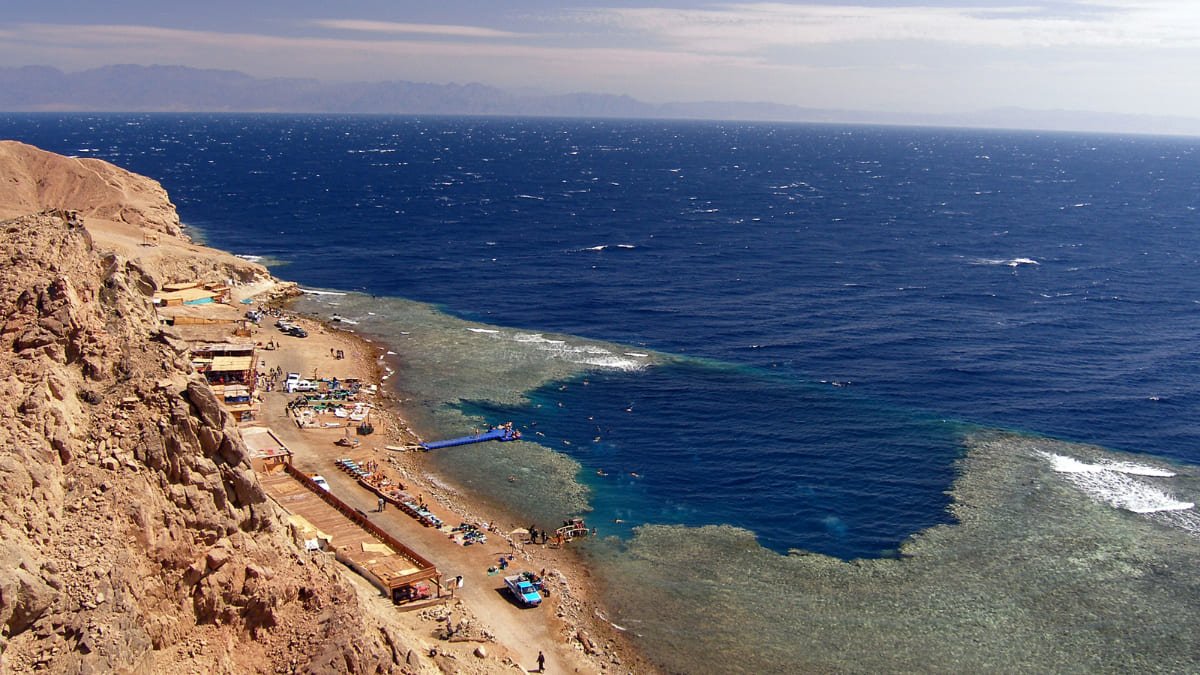
The Blue Hole – The most famous dive site in Dahab. This giant underwater sinkhole drops to over 120 meters. Even if you don’t dive, the snorkeling around it is spectacular.
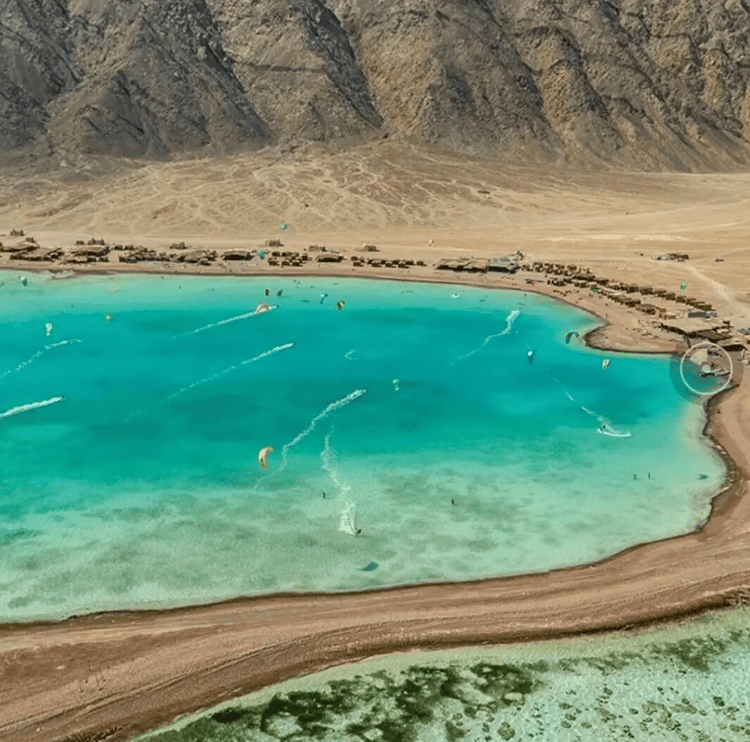
- Blue Lagoon – A shallow, turquoise lagoon perfect for swimming, kitesurfing, and relaxed days. Many people spend entire afternoons here.
- Eel Garden – Excellent snorkeling spot with hundreds of garden eels and beautiful coral.
- Canyon – A dramatic dive site with swim-throughs and magnificent rock formations.
- Ras Abu Galum – A protected area with pristine beaches reachable only by boat or camel.
Beaches, snorkeling, and diving experiences in Dahab
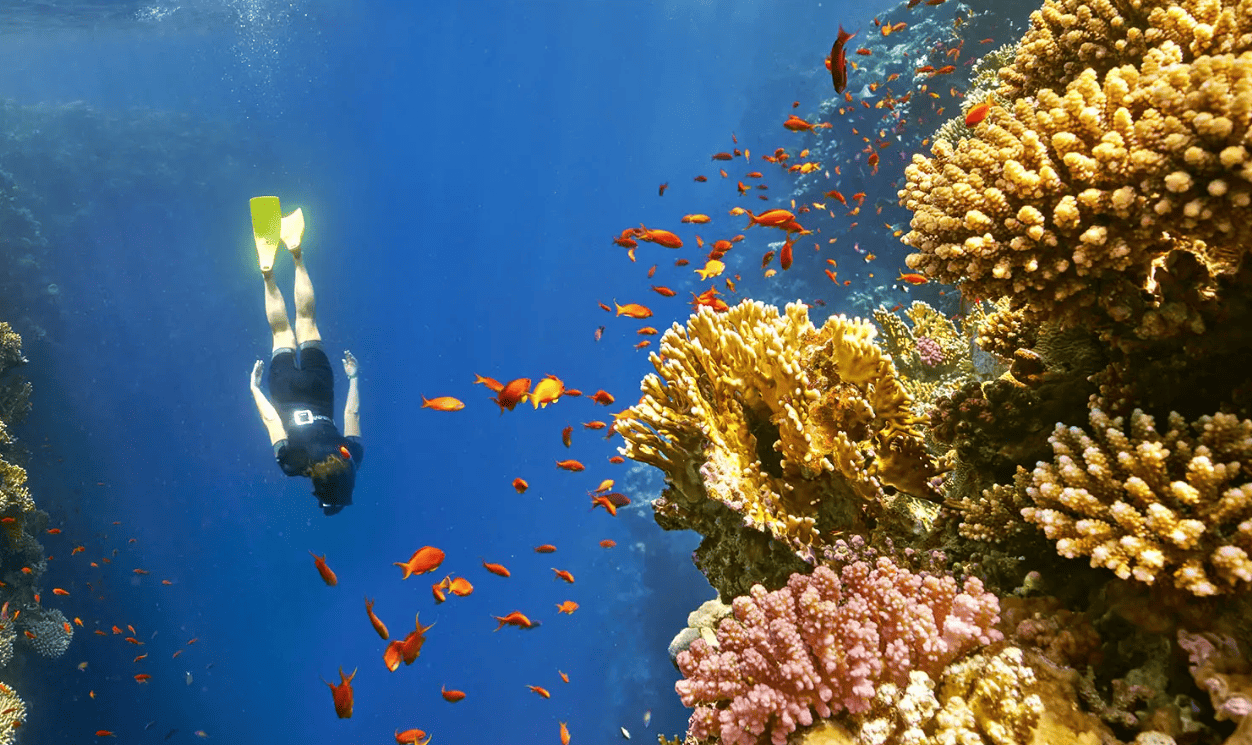
Dahab is basically a giant aquarium. The best part? You don’t need a boat for most of it. You just walk off the shore and you’re on a reef.
The city is famous for shore diving. The Blue Hole Dahab and The Canyon are the heavy hitters. A literal crack in the sea floor that opens up into a massive underwater cathedral. If you’re a beginner, spots like “Bannerfish Bay” or “Eel Garden” (literally a field of garden eels swaying in the current) are perfect for getting your fins wet.
If you prefer snorkeling, you can spend $2 on a mask rental and see 80% of what the divers see. The coral is generally in better shape than in the more crowded Sinai spots.
Desert trips, local cafés, and slow evenings by the sea
One of the best things to do is a desert safari or overnight camel trip to the mountains. A typical overnight trip with dinner under the stars costs $35–55 per person.
In the evening, head to the promenade. Grab a seat at one of the beachfront cafes (like Ali Baba or The Crazy House), order fresh grilled fish or falafel, and watch the sun disappear behind the mountains. The atmosphere is relaxed and genuinely friendly.
Dahab weather and the best time to plan your trip
The Dahab weather can be your best friend or your worst enemy.
- The sweet spots: October to November and March to May. It’s 25–30°C (77–86°F), the water is warm, and you won’t melt
- The heat: July and August are brutal (40°C+). Unless you are a hardcore diver who plans to spend 4 hours a day underwater, avoid it.
- The winter: December to February is sunny but windy. The water temp drops to about 21°C (70°F), so you’ll need a thicker wetsuit.
- The tide: Check the tide Dahab charts if you plan on snorkeling at the Lighthouse; low tide can make getting over the reef crest a bit tricky and potentially damaging to the coral.
Winds can be strong from November to March. It’s great for kitesurfing, but bring a light jacket for evenings.
How to get around: go bus Dahab, taxis, and local transport
Dahab is small, but you’ll need a plan for getting in and out.
- Go bus Dahab: This is the most popular way to get here from Cairo. It’s about a 9–10 hour journey. Pro tip: Book the “Elite” or “Aero” class. The price difference is small, but the extra legroom and functioning AC are lifesavers on a desert highway.
- Taxis: Within the city, “taxis” are actually colorful Toyota pickup trucks. You hop in the back. A ride within town shouldn’t cost more than 20–40 EGP.
- Walking/biking: Most of the tourist area is easily walkable. You can also rent a bicycle for about $5 a day, which is the “Dahab way” to get around.
Useful travel tips for first-time visitors to Dahab city Egypt
If it’s your first time in Dahab Egypt city, photos might look dreamy. But a few practical details help.
- Money: There are ATMs in the city center, but they occasionally run out of cash or reject foreign cards. Carry some back-up USD or Euro just in case.
- Water: Don’t drink the tap water. Even for brushing teeth, some people find it too salty. Use bottled or filtered water.
- The “Dahab belly”: It happens. Usually, it’s just the change in oil or spices. Keep some Antinal (local medicine) handy; it works better than anything you brought from home.
- Happy Life Dahab: If you want a more resort-style stay away from the noise, places like Happy Life Dahab offer a middle ground, but keep in mind they are a 15-minute drive from the main “Bridge” area.
- Respect the reef: Please use reef-safe sunscreen. The ecosystem is fragile, and the tourism that sustains the town depends on that coral staying alive.
Dahab isn’t for everyone. If you want luxury all-inclusive resorts and nightlife, you might feel disappointed. But if you’re looking for authentic Sinai charm, incredible diving, and a place where time moves slower – Dahab is pure magic. Many people come for a week and stay for a month.